
Blog
How Much Does a Plumber Cost in the UK?
Understanding typical factors that influence plumber pricing and what to consider before requesting a quote.
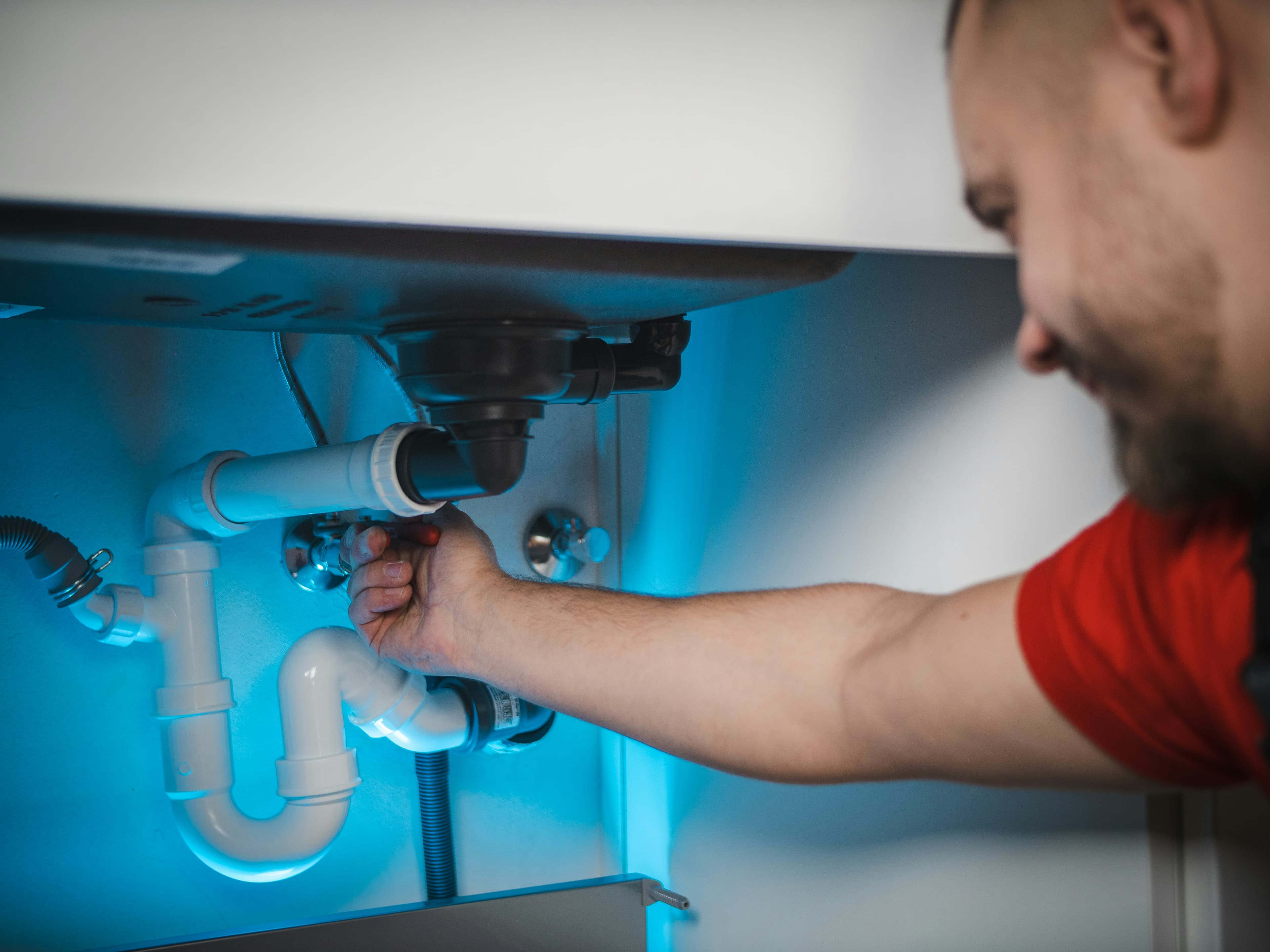
Why plumbing costs vary
There is no single price for plumbing work. The total usually reflects the nature of the problem, access to the affected area, time required, materials, location and whether the work is urgent. A straightforward tap repair is a very different job from tracing a hidden leak or replacing sections of a heating system.
An estimate given before a visit may need to change if the underlying problem cannot be seen until work begins. This is particularly common with concealed pipework, blocked drainage and older installations.
The main elements of a quote
Ask a professional to explain the basis of the quote. This makes it easier to understand what you are comparing and to plan for possible changes.
- Call-out, inspection or diagnostic time
- Labour and expected duration
- Replacement parts and consumable materials
- Emergency, evening or weekend availability
- Travel, parking, waste removal and VAT where applicable
Help a plumber quote more accurately
Give a clear description of the problem and include the location in the property. Say whether water is currently leaking, whether you can isolate the supply and whether the issue affects heating, hot water or drainage. For replacement work, include the make or approximate age of the existing fitting if known.
If the issue is urgent or could create a safety risk, seek appropriate emergency help rather than waiting for a non-urgent quote. Never attempt work that you are not confident is safe.
Review the estimate before agreeing
Confirm whether the price is fixed or an estimate, the likely start date, who supplies the materials and how additional work will be approved. For larger jobs, a staged payment plan and a written scope can help prevent misunderstandings.
A good quote should make clear what the professional expects to do. Ask questions before accepting it, especially where the solution, materials or exclusions are not obvious.